The morning light hits the hood just right—sleek, confident, familiar. You turn the key and it responds instantly, that deep mechanical note humming in rhythm with your pulse. No carburetor coaxing, no “maybe tomorrow” attitude from a reluctant engine. Just clarity. Confidence. Control.
That’s when it hits you: this is what owning a vehicle should feel like—timeless design, without the time drain.
In the classic cars vs new cars debate, every car tells a story, but not all are worth living with. While collectors romanticize chrome and patina, most drivers want something more grounded: an investment that earns its keep through safety, reliability, and the quiet satisfaction of miles well spent.
So when people weigh classic cars vs new cars as a long-term investment, the real question is simpler:
What kind of return do you want—the one on paper, or the one you experience every day?
Table of Contents
Classic Cars vs New Cars: Neither Behaves Like a Stock
When you compare classic cars vs new cars, you’re really comparing two entirely different realities.
- Modern cars (dealer fresh, mass-market): predictable depreciation in the early years, strong usability, easy financing, and high liquidity.
- Traditional Classic cars or restomods: the illusion of appreciation, which often comes at the cost of time, maintenance, and comfort.
According to Kelley Blue Book (2024), the average new car loses about 20% of its value in the first year and nearly 60% after five years. Classic car values, by contrast, are uneven: any gains tend to hinge on rarity, condition, provenance and timing.
In other words, while you might occasionally find a vintage gem that grows in value, most “investments” in older vehicles quietly consume more than they create.
How Value Is Created (or Lost) Over Time
Modern cars:
- Predictable depreciation, offset by lower maintenance and warranty coverage.
- Easy resale, strong reliability, and the ability to drive without hesitation.
Traditional Classic cars or restomods:
- Upside only for rare, significant examples.
- High volatility and liquidity risk—collector markets cool quickly.
- Restoration and upkeep often erase potential profit.
A classic may rise in auction value, but a modern car or a modernized build returns peace of mind and practicality.
The Full Cost of Ownership: 5 Hidden Costs Spreadsheets Miss
Even two cars with the same sticker price can differ dramatically in lifetime value, and that gap is where the classic cars vs new cars comparison is really decided.
1) Storage & Preservation
Vintage metal hates moisture. Keeping traditional classics roadworthy means climate control, trickle chargers, and constant vigilance.
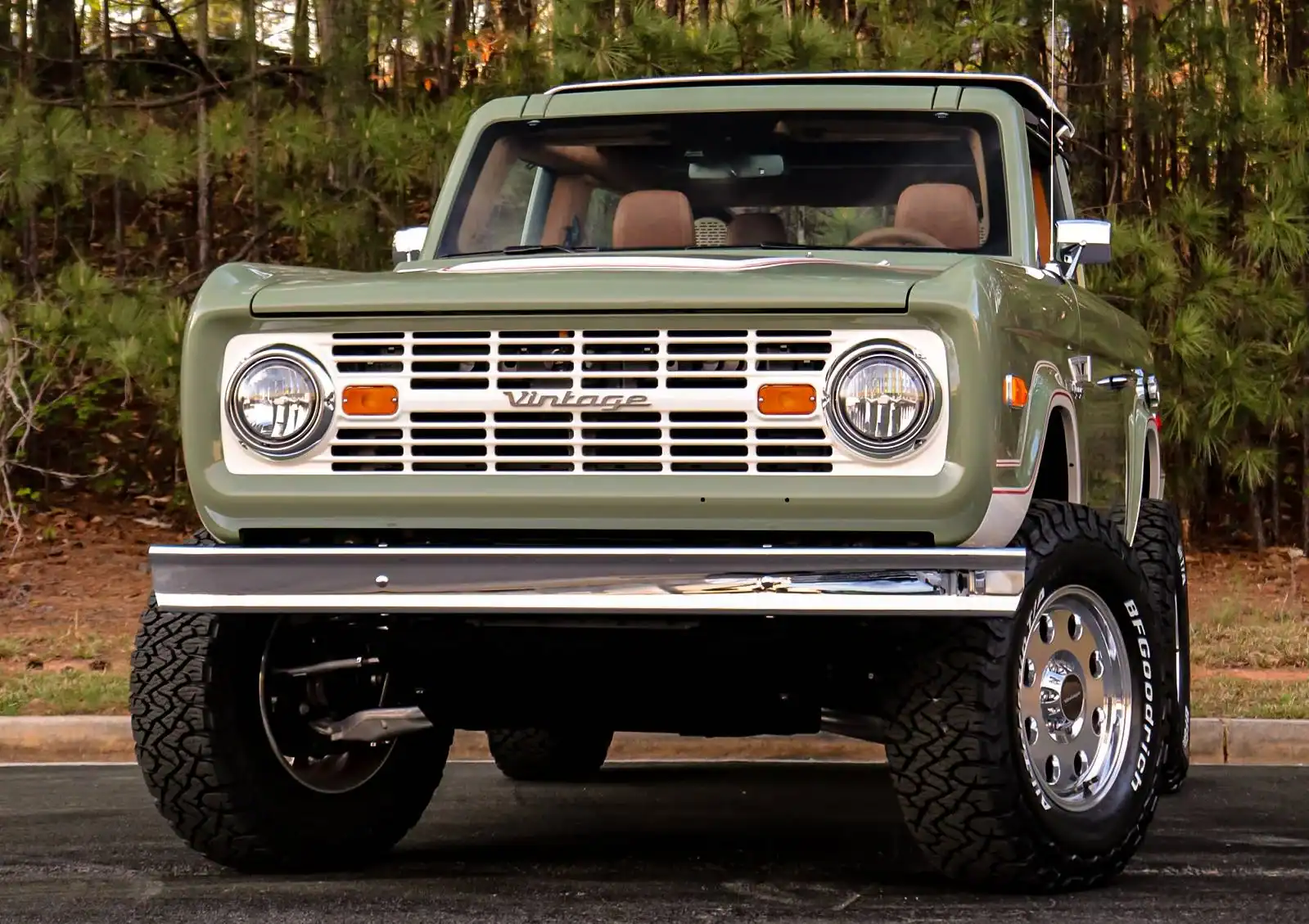
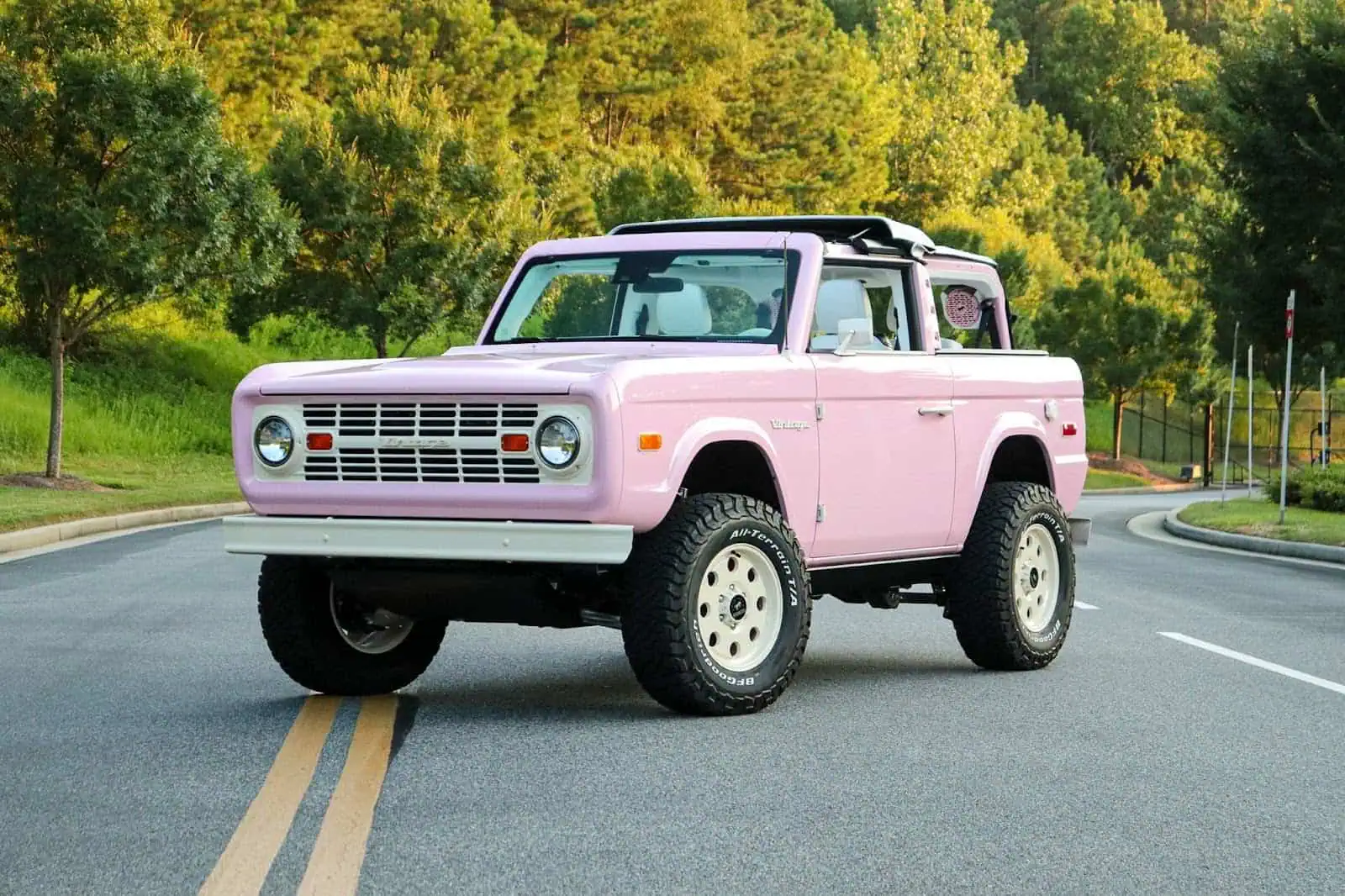
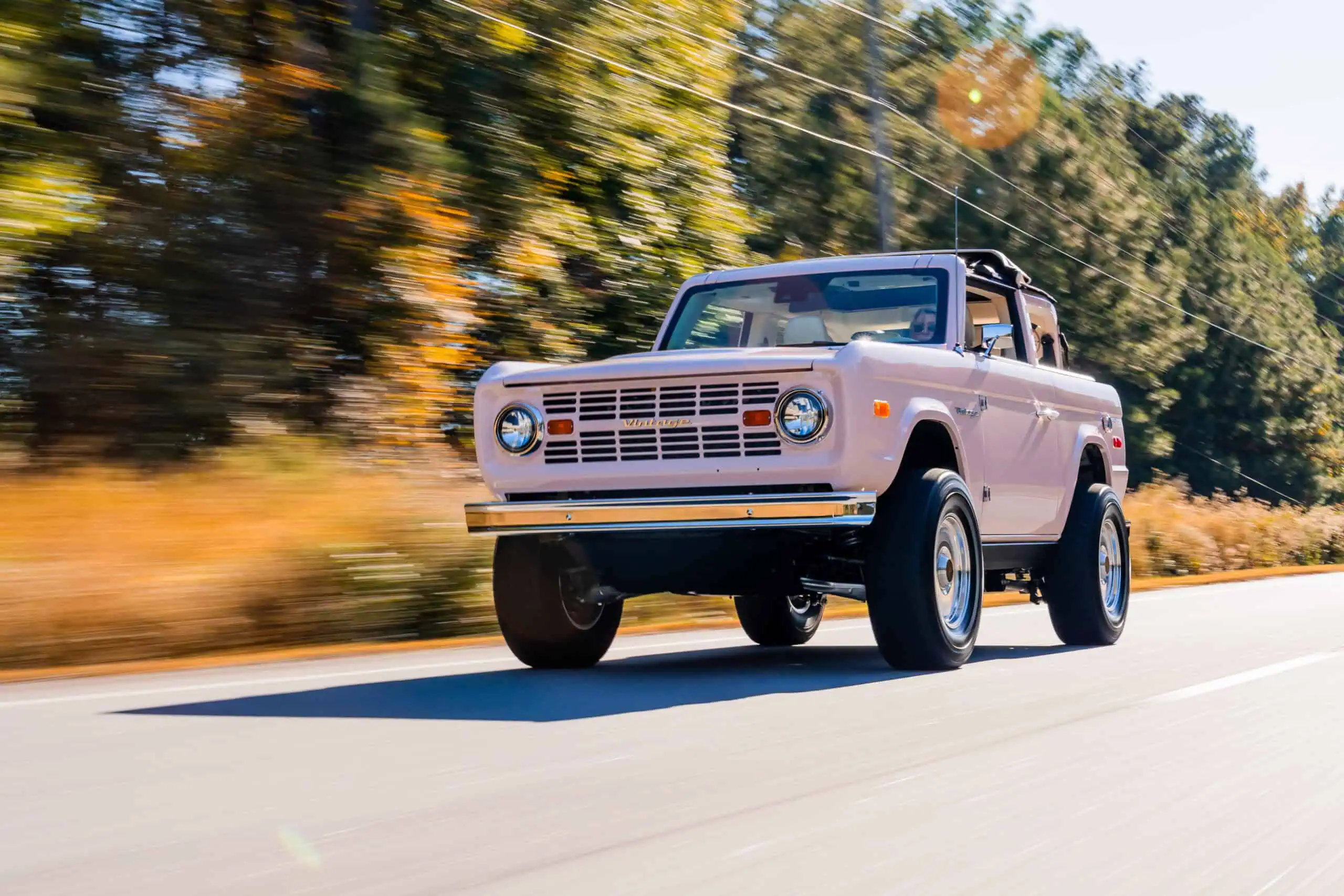
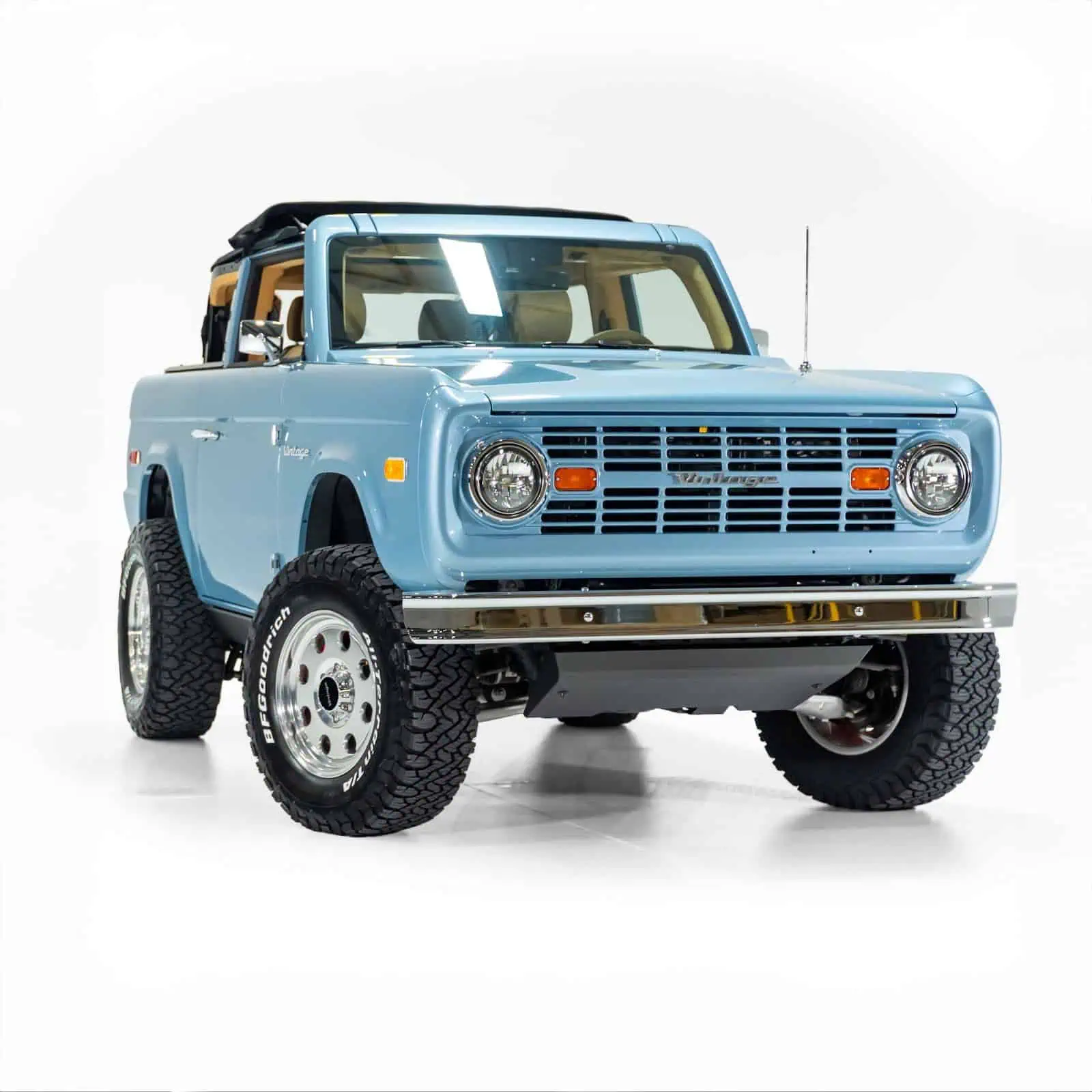
Modern vehicles, and especially Modern Classics by Vintage Modern (formerly Vintage Broncos), thrive in everyday environments without endless rituals.
2) Maintenance & Serviceability
Traditional classic cars often demand specialist labor and rare parts. A weekend repair can turn into a months-long wait.
A Modern Classic is built for uptime, with components designed for long-term serviceability.
3) Insurance & Documentation
Collector policies restrict mileage and usage. Standard coverage favors drivers who actually drive.
4) Transaction Friction
Auction fees, transport, and inspections can eat into the profits of restomods. Selling a modern vehicle or keeping a Modern Classic in active use remains simpler, faster, and far less speculative.
5) Use Value (the Overlooked Dividend)
What’s the value of confidence on the highway? The ability to take your family across three states without worrying about temperature gauges or roadside rescues?
That’s a quiet, compounding return no spreadsheet can measure.
When a Modern Car Makes More Financial Sense

1. You spend real time on the road—commuting, exploring, living.
2. You value machines that respond the first time you turn the key, not projects that need coaxing back to life. You prefer consistency to chance, clarity to nostalgia’s guesswork.
That’s why, for most drivers, a modern daily driver makes more financial and practical sense. Its depreciation may be predictable, but its value in uptime, reliability, and safety shows up every single day you drive it.
And in that middle ground between fleeting modern trends and high-maintenance nostalgia lies something different: a Modern Classic by Vintage Modern, formerly Vintage Broncos.
It offers the elegance of timeless design without the burdens of traditional ownership, where aesthetics endure, but anxiety doesn’t.
Where Modern Classics Fit in the Classic Cars vs New Cars Choice
A Modern Classic by Vintage Modern is neither a restoration nor a restomod, and it isn’t a mass-market modern SUV either.
It’s a third path: a classic-inspired vehicle engineered for everyday life, with modern drivability and safety confidence built into every panel.
What You Gain
- Seamless usability: quiet cabins, refined ride, effortless power delivery.
- Freedom from project fatigue: no parts hunts, no garage marathons.
- Legal clarity: full street-legal compliance, DOT/EPA readiness, and transparent documentation for registration.
What We Never Promise
We don’t sell “investment cars.”
We build lifetime vehicles—crafted for enjoyment, not speculation.
Your Real Long-Term Edge
True longevity isn’t measured in appreciation curves; it’s measured in peace of mind.
Every Modern Classic by Vintage Modern integrates a safety suite that traditional classics and most restomods simply don’t offer:
6 passenger airbags • Crumple zones • Side impact beams • ABS • Traction & stability control • Roll sensor • LATCH system • Lane keep assist • Pre-collision assist with emergency braking • Backup camera • Parking sensors
These are what make the difference between a car you store and one you trust.
Why People Invest Emotionally, Not Just Financially
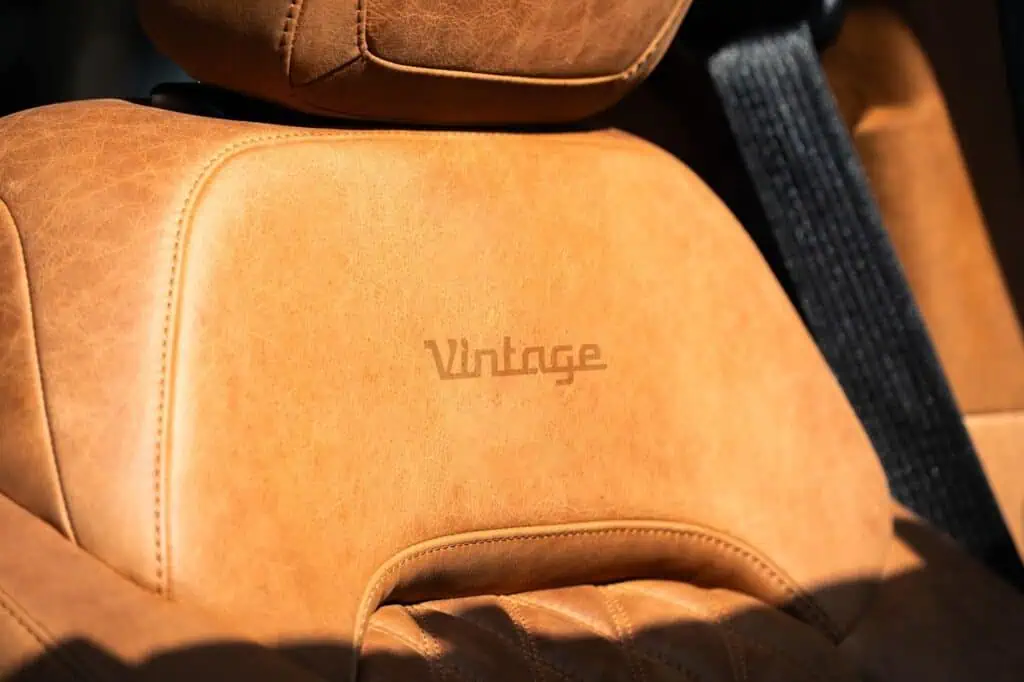
A classic car can evoke memories of a bygone era. A Modern Classic lets you live it without giving up everything modern life demands.
You still get the upright stance, the handcrafted feel, the steel body panels—but with a modern chassis, comfort, and composure fit for today’s road. It’s nostalgia, refined into something sustainable.
Classic Cars vs New Cars: FAQ
Are classic cars a good long-term investment?
Sometimes, but rarely predictably. In the classic cars vs new cars comparison, gains are usually limited to rare, significant examples, and storage, restoration and upkeep can erase potential profit. Treat a classic as a passion first, and speak with a qualified financial advisor about investment decisions.
How fast do new cars depreciate?
Kelley Blue Book reports that the average new car loses about 20% of its value in the first year. In exchange, modern cars offer predictable ownership, easy financing, strong reliability and warranty coverage.
Is a Modern Classic an investment car?
No. We don’t sell “investment cars.” A Modern Classic is a lifetime vehicle, crafted for enjoyment rather than speculation, with classic-inspired design and modern safety and reliability.
Classic Cars vs New Cars: The Long-Term Investment Verdict
If you want predictability, a new modern car remains the rational choice.
If you’re drawn to the allure of classics, understand the trade-off: charm often comes with cost and the line between hobby and holding can blur fast.
But if you want the look you love paired with modern safety, reliability, and confidence, a Modern Classic by Vintage Modern offers the rarest return of all—time well spent.
Your investment might start with numbers, but the real return begins the moment you turn the key.
If you’re comparing a collection piece against a daily or exploring a Modern Classic inspired by the classic Ford Bronco, we’ll help you define what “return” means to you: freedom, confidence, comfort, or legacy.
Contact us today. Let’s build something timeless enough to keep, and modern enough to live with.