Thinking about putting your luxury, classic-inspired SUV under a company? You’re not alone.
For executives weighing LLC vehicle ownership against personal ownership, the choice becomes even sharper when the vehicle is a Modern Classic by Vintage Modern (formerly Vintage Broncos) — a luxury SUV that looks vintage but is engineered for modern safety and reliability. That makes the ownership decision worth planning carefully.
For high-end builds like a Modern Classic, the decision is strategic.
Below is a clear, practical guide to LLC vehicle ownership that answers whether an LLC can own a vehicle, how to buy a vehicle under an LLC, what business vehicle expense rules apply, and how mixed-use car tax works when business and personal driving overlap.
Note: This is an educational guide, not legal or tax advice. Always coordinate with a qualified CPA or attorney for your situation.
Table of Contents
Can an LLC own a vehicle?
Yes, an LLC can own, title, insure, and depreciate a vehicle. In practice, that means the registration lists the LLC as the owner, payments come from the company’s bank account, and the LLC holds the insurance policy. For a high-end custom SUV, this creates a cleaner separation between personal and business assets and ensures records align for tax and insurance purposes.
Benefits of LLC Vehicle Ownership
Buyers consider LLC vehicle ownership for four main reasons:
- Liability segregation
Keeping the title in the LLC may help separate business liabilities from personal assets when used in the business. Work with counsel on proper operating procedures and insurance—structure matters. - Cleaner books and records
Fuel, maintenance, insurance, and registration flow through the LLC, simplifying expense tracking and documentation for audits. - Brand presentation
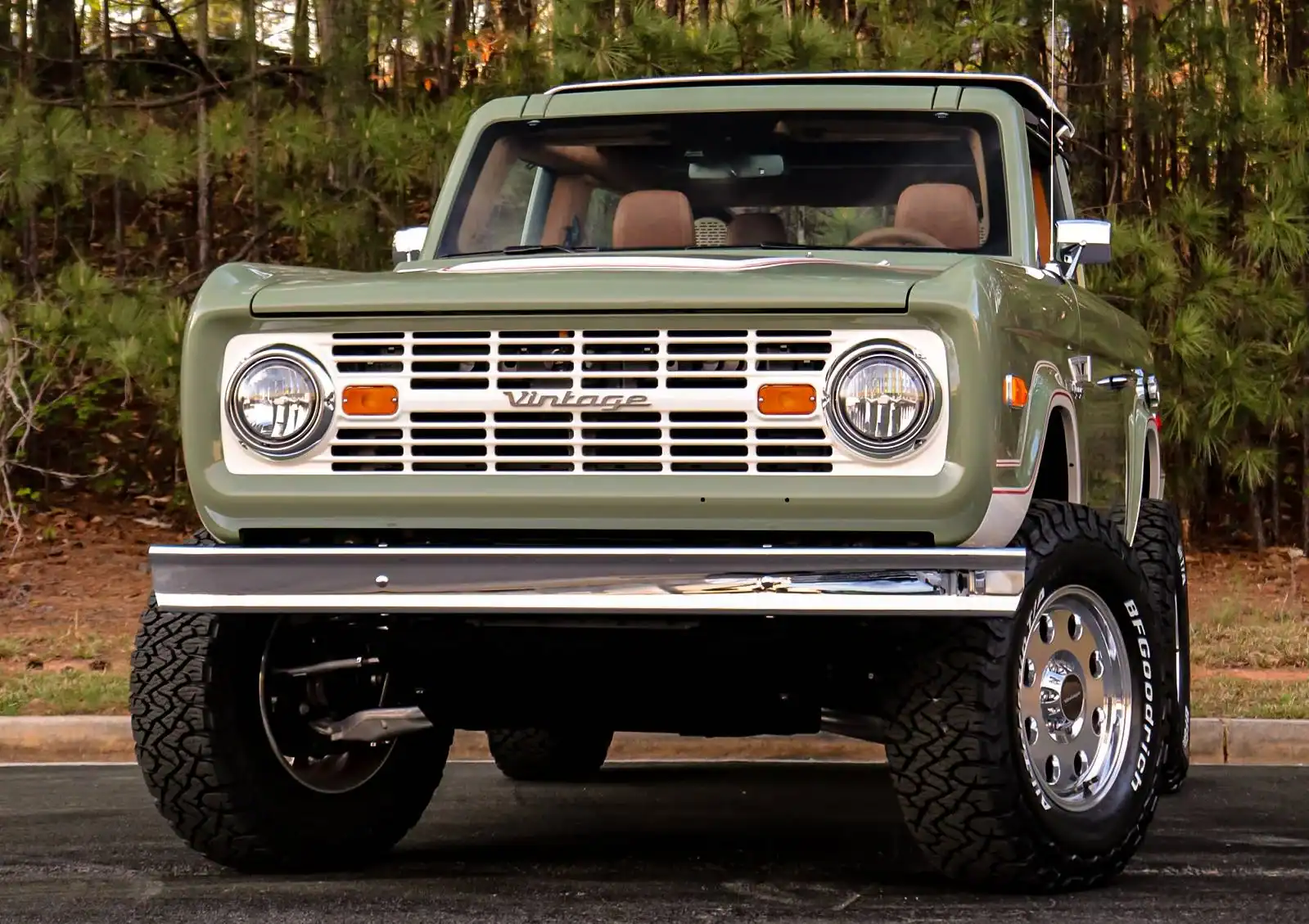
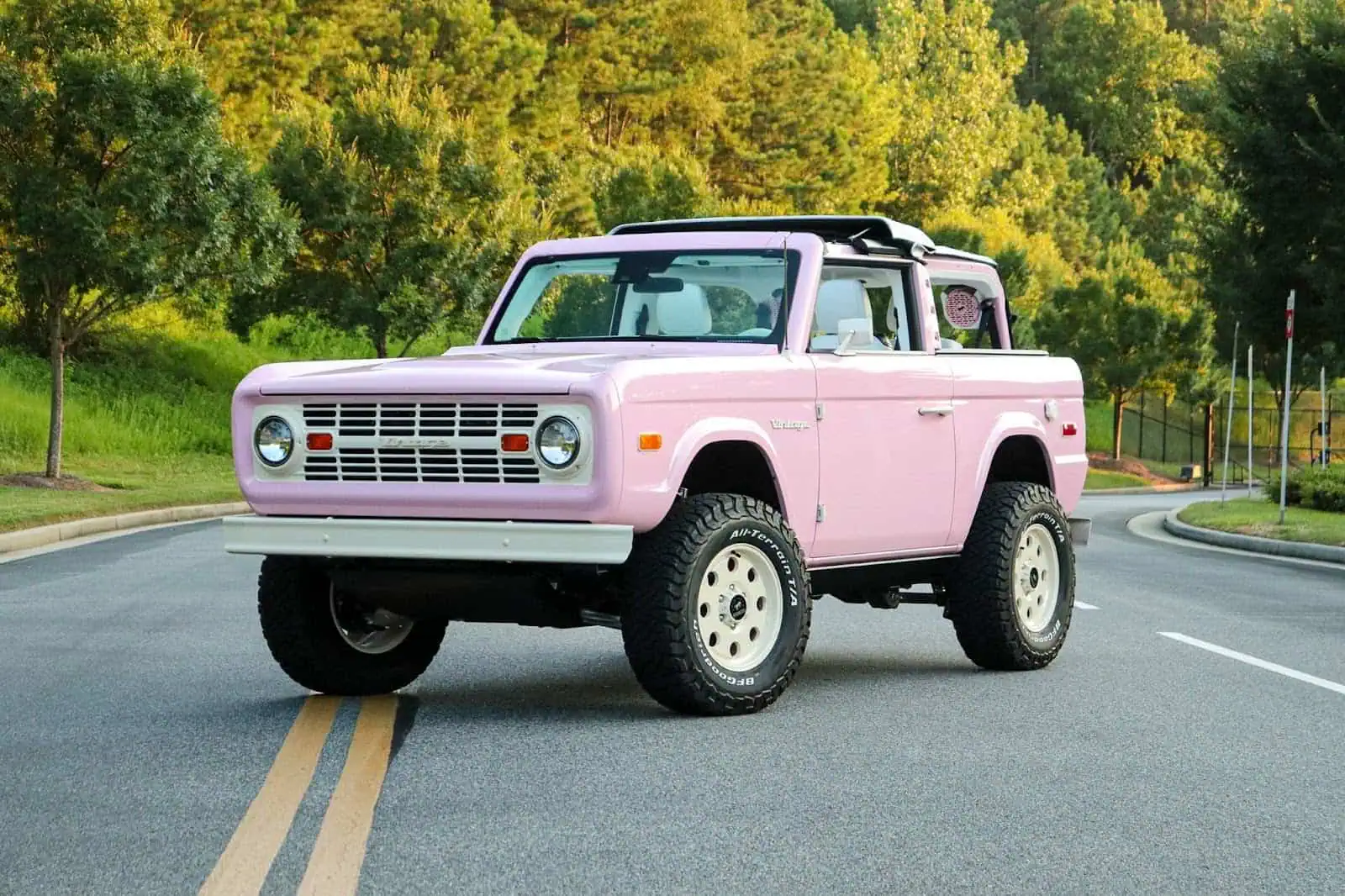
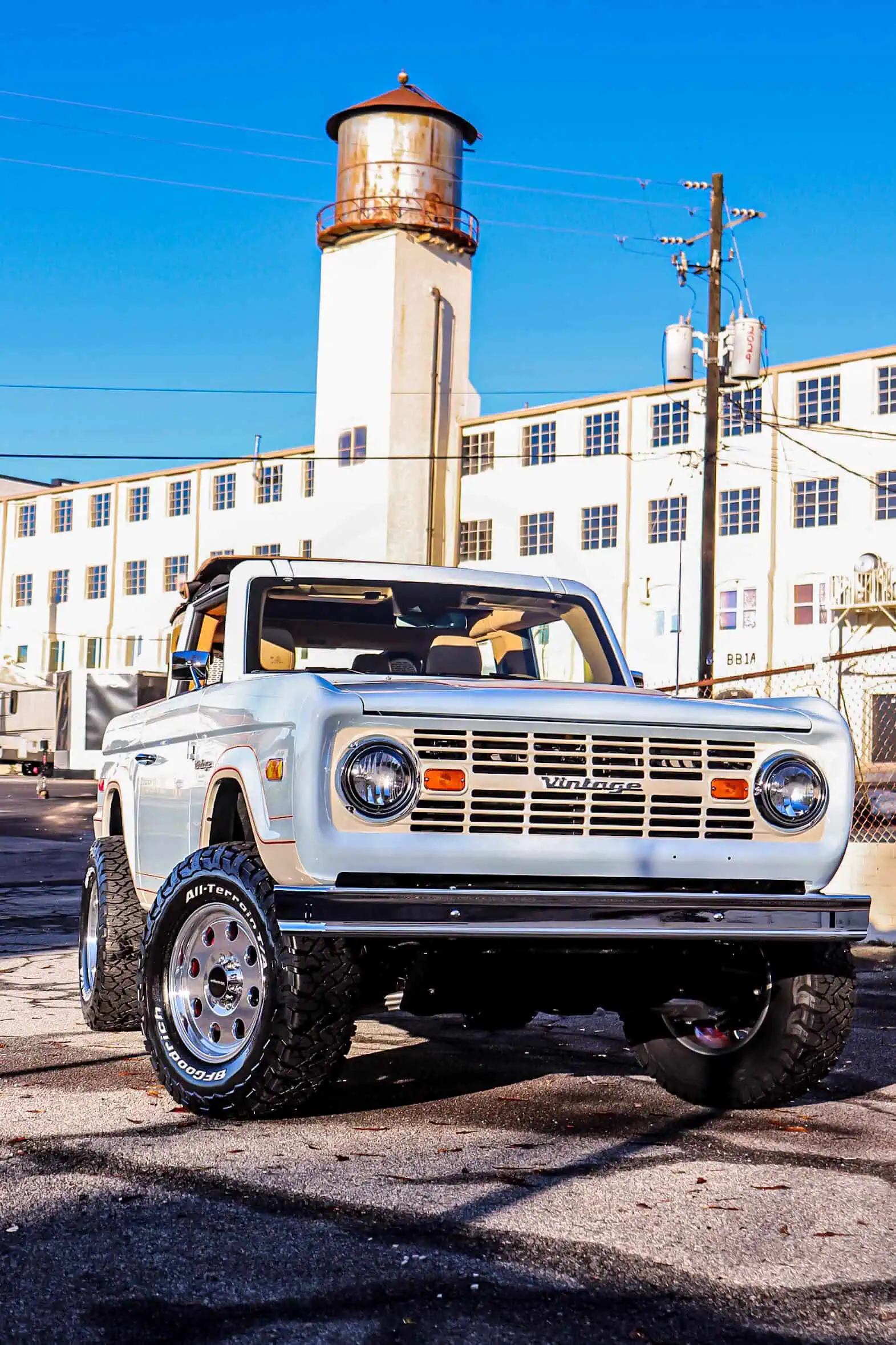
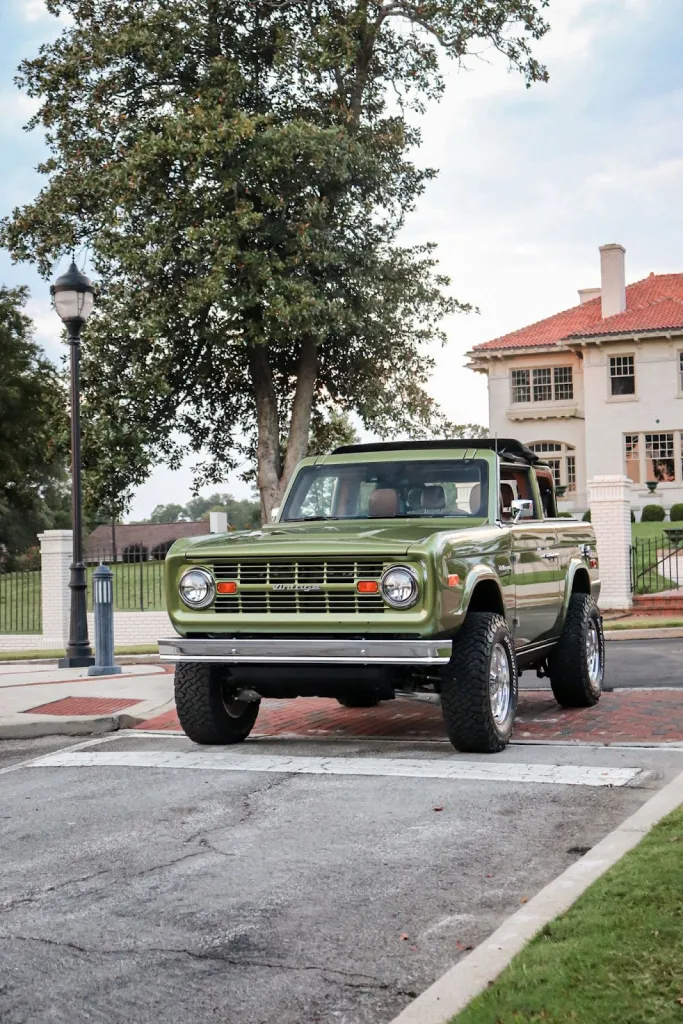
Unlike mass-market SUVs, a Modern Classic does more than just transport; it communicates. Its retro-inspired design in approved inventory colors (Chalk Grey, Brittany Blue, Boxwood Green) doubles as brand storytelling on wheels, supporting executive use, client visits, and site travel, while the company, not the individual, owns the asset. - Financing and credit building
Some lenders offer business auto financing. Payments through the LLC can help build business credit over time.
Related Reading: Tax Advantages of Classic Car Investment
The LLC Vehicle Ownership Process: From Purchase to Recordkeeping
The path to buying or titling a vehicle under an LLC follows a series of structured steps.
- Start by ensuring the operating agreement authorizes the purchase and designates who can sign on behalf of the company.
- Use a dedicated business bank account for payments and secure commercial insurance in the LLC’s name.
- When negotiating the purchase, place the bill of sale and purchase agreement under the LLC, and retain spec sheets and invoices for your records.
- Once titled and registered, adopt a simple usage policy covering who may drive the SUV, how personal use is handled, and maintenance intervals.
- Recordkeeping is crucial. Maintain purchase documents, insurance records, service logs, and receipts. Mileage logs are especially important if the vehicle is used for both business and personal purposes. The IRS standard mileage rate was 67 cents per mile for 2024 and is updated each year. Depending on how the vehicle is depreciated, the actual expense method may be required or more favorable, so confirm the approach with your CPA.
In LLC vehicle ownership, poor documentation is costly. A quarterly review with your CPA helps avoid pitfalls.
See also: How to Register a Specialty Vehicle in California
LLC Vehicle Ownership: Expense Rules and Mixed Use
For most companies, the choice is between the actual expense method—deducting business-use portions of fuel, maintenance, insurance, and depreciation or the standard mileage method, which applies a flat rate per mile.
U.S. rules also allow depreciation or accelerated expensing, such as Section 179, which permitted immediate expensing of up to $30,500 for heavy SUVs in 2024. Limits change annually, so check the current figure with your CPA. Leasing can also be effective, but luxury vehicles often require “lease inclusion” adjustments that reduce deductibility.
Where business and personal use overlap, records are everything. Personal use of a company vehicle may be treated as a taxable fringe benefit, and commuting is generally considered personal, even if the LLC owns the SUV. Good logs allow businesses to allocate fuel, insurance, and depreciation fairly between business and personal use, reducing audit risk. Apps like MileIQ or TripLog automate this process.
Because a Modern Classic is engineered for modern drivability and low NVH (noise, vibration, harshness), it’s realistic as a daily driver, which matters if the vehicle will see regular business use, compared with a fragile restoration or restomod.
A Custom SUV as a Business Asset
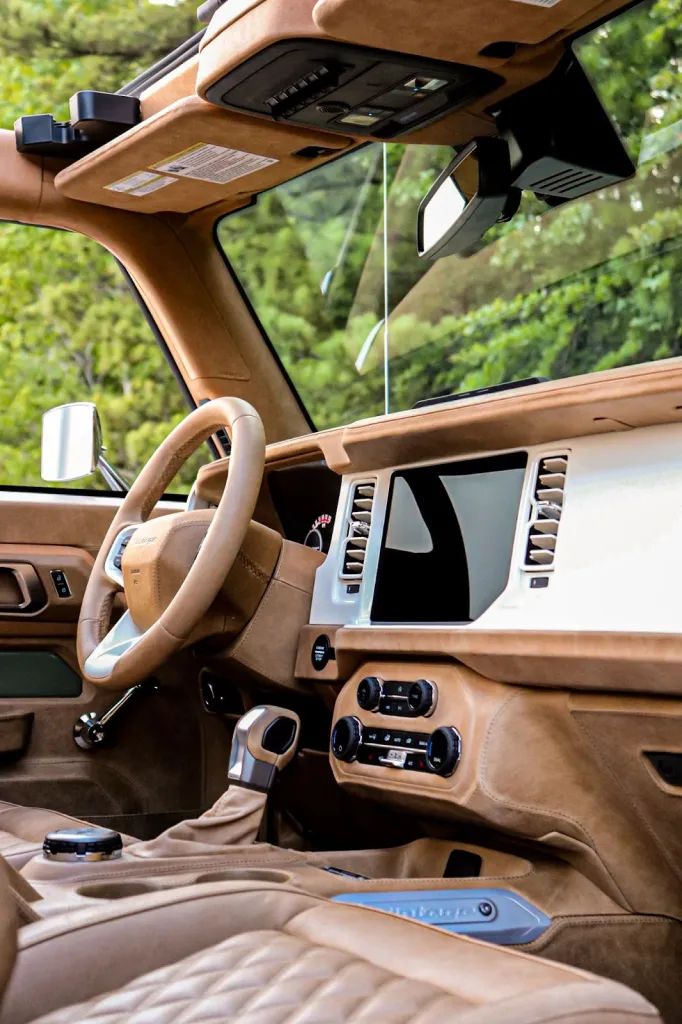
Owning a Modern Classic by Vintage Modern (formerly Vintage Broncos) through LLC vehicle ownership transforms it from a personal passion project into a strategic brand asset. It’s a mobile extension of your boardroom. From discreet tech to crash-tested safety systems, every element supports its role as a business-grade vehicle that your company can title, insure, and expense while projecting a premium image every time it arrives on-site.
Business-use insurance in the LLC’s name with high liability limits protects both the company and drivers. Consistent maintenance ensures that the SUV retains its trademark drivability and safety.
For executives, a Modern Classic’s quiet cabin and refined materials project authority during client visits. If ownership later shifts back to an individual, plan for a proper sale or transfer from the LLC at fair market value with supporting documentation.
Clear records keep insurance and tax reporting compliant.
Business vs Personal: Choosing the Right Approach
LLC vehicle ownership usually makes sense when the SUV is primarily used for business travel, client meetings, or executive transport, and when you want depreciation and expenses on the company books.
Personal ownership works better when most miles are personal, simplicity is preferred, and mileage reimbursement is enough.
A hybrid approach, personal ownership with reimbursements, can also work, but it often limits deductions on a high-value vehicle.
If you’re already investing in a Modern Classic, you’re investing in reliability, safety and executive presence; these qualities align naturally with business ownership.
Conclusion
LLC vehicle ownership for a high-end custom SUV can streamline accounting, may help with liability separation, and unlock business-friendly expense options. But the tradeoff is discipline: proper titling, strong insurance, mileage tracking, and quarterly reviews with your CPA.
If you’re exploring how a Modern Classic fits your business strategy, schedule a consultation with our team. Experience how timeless design, paired with modern safety and reliability, can serve as both a company asset and an executive statement.